From the moment you set foot on the outskirts of Misrata, you realize that you are not just in another coastal city on the Mediterranean map. You are in the presence of the “beating heart” of Libya—a city that has successfully harnessed its sands to build an economic legacy and stood firm against political storms to reshape the country’s modern history.
A Strategic Location
The story begins with its location, where Misrata stretches as a natural bridge connecting Africa to Europe at the eastern tip of the Gulf of Sirte. The city is not merely a maritime gateway; the intersection of its high sand dunes (locally known as “Al-Quz”) with the azure sea creates a rare, cinematic landscape. “Quz al-Teeq,” the famous sandy landmark, is not just a recreational spot for locals, but a testament to the identity of the “City of Sands” that has managed to preserve its natural charm despite the encroachment of industry.
The Economic Capital
To understand the secret of Misrata’s power, one must look at the chimneys of its factories and the activity of its ports. Misrata is not called the “Economic Capital” by coincidence; it hosts the largest iron and steel complex in the region—an industrial giant that feeds both domestic and regional markets. However, the true intrigue lies not in the machinery, but in the “Misrati mindset”—the innate entrepreneur.
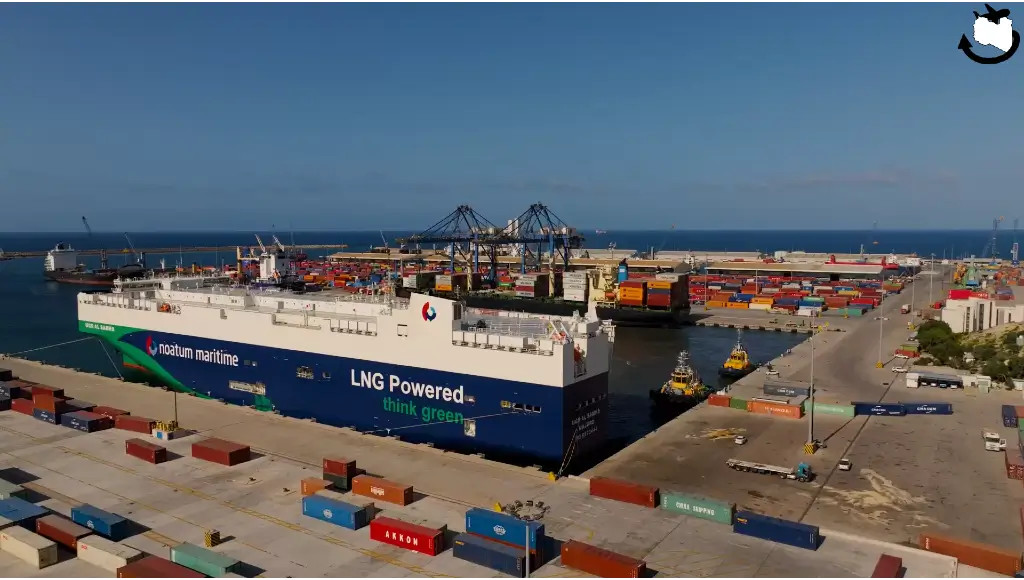
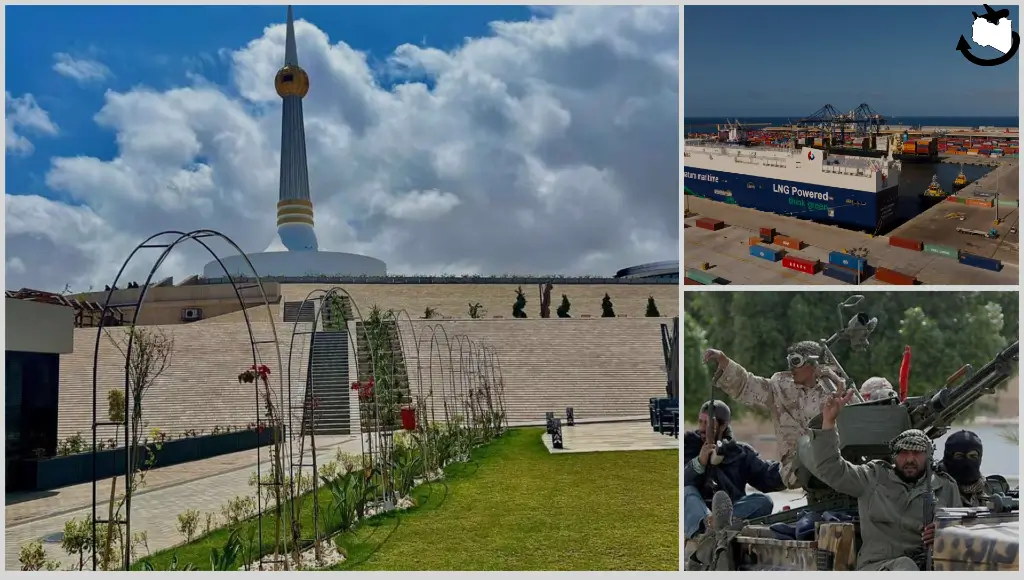
This pioneering spirit is embodied in the “Misrata Free Zone,” which has transformed into a global beehive. Its port serves as a restless lifeline, pumping goods and commodities to every corner of Libya and into its African hinterland, making the city a critical factor in the state’s food and logistical security equation.
Misrata’s Impact on the 2011 Events
A visitor to Misrata cannot pass through Tripoli Street without recalling the memories of 2011. In those alleys, an epic of resilience was written that altered the course of the Libyan revolution. When the siege tightened its grip on the city, its people chose to confront it. Misrata’s role was not merely military, but eminently political; the city became a launching pad and a source of inspiration for other cities. This granted it exceptional political weight in post-revolutionary Libya and made its voice heard in all international forums.
Landmarks
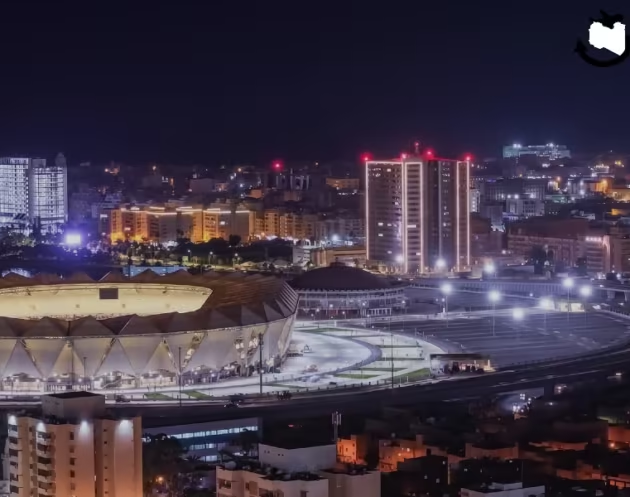
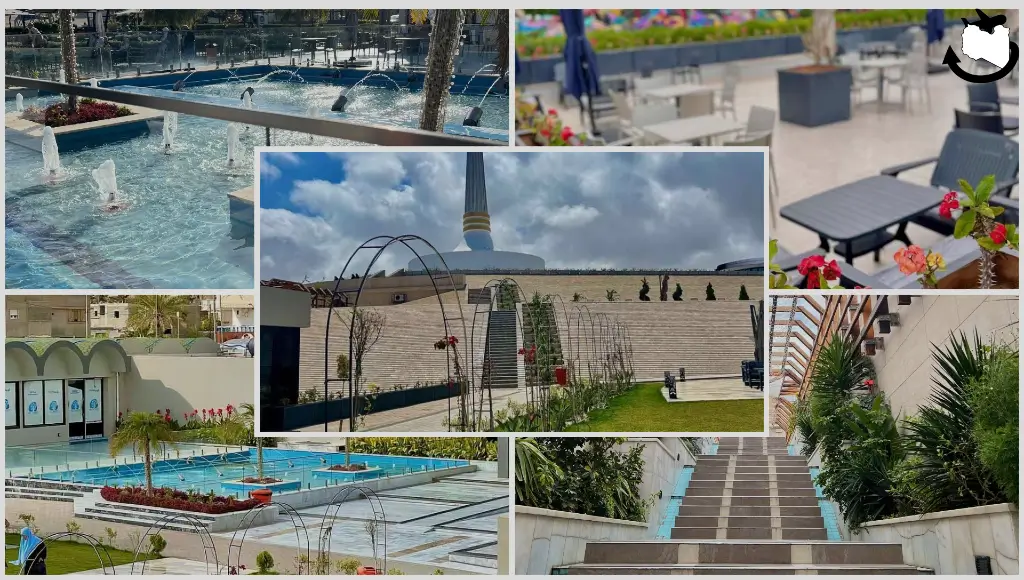
Despite its practical nature, Misrata is not devoid of touches of beauty. The beaches of “Qasr Ahmed” and the vast stretches of white sand provide a quiet sanctuary away from the industrial noise. Meanwhile, the city center, with its upscale buildings and shops, has transformed into an arena that blends modernity with authentic Libyan architecture. Notably, informal “War Museums” established by the youth serve to document the remnants of conflicts.
Misrata’s Society
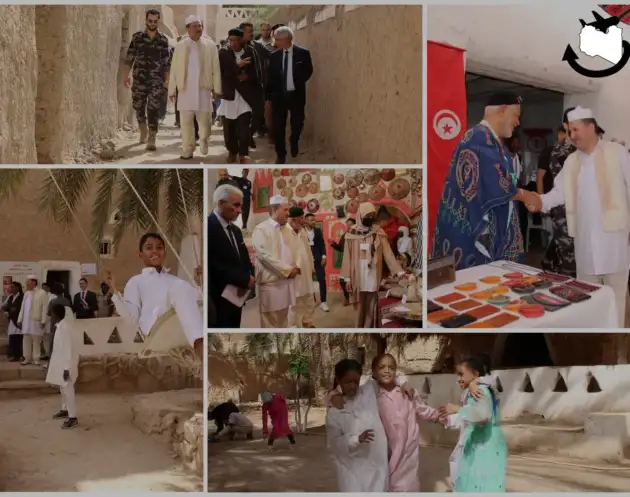
Beyond economic figures, Misrata is driven by a social dynamic based on “productive solidarity,” so to speak. Tribal and family ties have intertwined with the structures of modern corporations. This blend has created a state of internal discipline that helped the city navigate periods of state absence. However, it simultaneously presents the challenge of balancing global openness with the preservation of conservative social privacy. While Misrata University and technical centers continue to pump new blood into the labor market, the real challenge lies in the ability of this young generation to develop institutions that transcend traditional frameworks toward comprehensive institutionalization.
Ultimately, the story of Misrata cannot be read in isolation from the complexities of the broader Libyan landscape. It is a city that has succeeded in creating a model of “self-management” amidst a turbulent environment, relying on a strong industrial arm and a strategic maritime location. Nevertheless, the city’s future remains tied to the stability of the country as a whole. Its economic growth and ambitious projects, such as the international airport and the Free Zone, cannot reach their full potential without a comprehensive national political settlement. Misrata today is not just a commercial hub; it is a living model of attempts to build amidst the rubble, and a Libyan experience worth observing to understand how economy can drive politics or be affected by its setbacks.