Libya enjoys a strategic geographic location that bridges the Mediterranean Sea and the vast Sahara Desert. It also blends deep-rooted traditions with monumental archaeological treasures dating back thousands of years. While Libyan tourism has not received its fair share of regional or international attention, the country holds immense potential for lovers of history, nature, and unique cultures.
In Libya, visitors can walk among the towering columns of Leptis Magna, once one of the greatest cities of the Roman Empire. They can then journey deep into the Sahara to explore the Acacus Mountains, home to prehistoric rock art over 10,000 years old, or visit oases that still preserve their authentic Bedouin character. All this unfolds within a conservative yet hospitable society that welcomes visitors despite the political and economic challenges the country has faced.
Although there are some limitations regarding infrastructure and services, travel to Libya is now possible, especially through coordination with official bodies or licensed tour operators. Proper planning is essential to ensure a safe and comfortable experience.
This article provides clear and comprehensive answers to 20 of the most frequently asked questions by those interested in visiting Libya.
1. Do You Need a Visa to Visit Libya?
Yes, almost all nationalities require a visa to enter Libya, with few exceptions for neighboring countries under specific agreements. To obtain a visa, you must contact a Libyan embassy or consulate in your country or apply through an accredited travel agency that can issue an official invitation in your name. A confirmed hotel reservation or a pre-arranged tour inside Libya is typically required.
The tourist visa is generally valid for 30 days and cannot be extended without a legal or official reason. It’s advisable to begin the visa process at least one month before your intended travel date. In some cases, applicants may need to provide a clean criminal record and a passport valid for at least six months.
2. Is Libya Safe for Tourism?
Security conditions in Libya have improved in certain areas but remain unstable in others. Major coastal cities such as Tripoli, Zawiya, Misrata, Zuwara, and Khoms are currently among the more stable regions and are witnessing local and limited foreign tourism. However, southern regions such as Sabha, Ghat, and Kufra require special security arrangements and should only be visited with local guides.
Tourists should avoid unplanned travel and refrain from driving between cities at night. It is highly recommended to notify your embassy or consulate upon arrival and to follow local official guidance.
For emergencies, contact:
- Police: 122
- Ambulance: 193
- Tourism Police: 1515
- Ministry of Tourism: through its official website or local offices
3. What Is the Best Time to Visit Libya?
The ideal time to visit Libya is from October to April, when the climate is mild, making it perfect for outdoor excursions, particularly in the desert and archaeological sites.
Summer (June–September) is extremely hot, especially in central and southern regions, with temperatures reaching up to 47°C (116°F), making travel physically demanding and sometimes hazardous.
Winter (December–February) offers cooler weather, especially pleasant along the coast, though mountainous areas can be quite cold. Spring and autumn are the most balanced seasons for a culturally and climatically comfortable trip.
4. What Currency Is Used? Can You Use Bank Cards?
Libya’s official currency is the Libyan Dinar (LYD). International bank cards are rarely accepted due to ongoing technical and economic limitations within the banking system. It is strongly advised to bring cash in US dollars or euros and exchange it upon arrival.
Licensed exchange offices are available in most major cities. Always exchange money through authorized dealers or banks to avoid fraud. Using foreign currencies for purchases is illegal under Libyan law.
5. Are There Suitable Hotels and Resorts?
Yes, you’ll find quality hotels in major cities like Tripoli, Benghazi, and Misrata, ranging from mid-range (3-star) to high-end (4–5 star) accommodations. Notable hotels include:
- Bab Al Bahr Hotel (Tripoli)
- Al Waddan Hotel (Tripoli)
- Tibesti Hotel (Benghazi)
see also: top 5 Hotels and Tourist Resorts in Libya
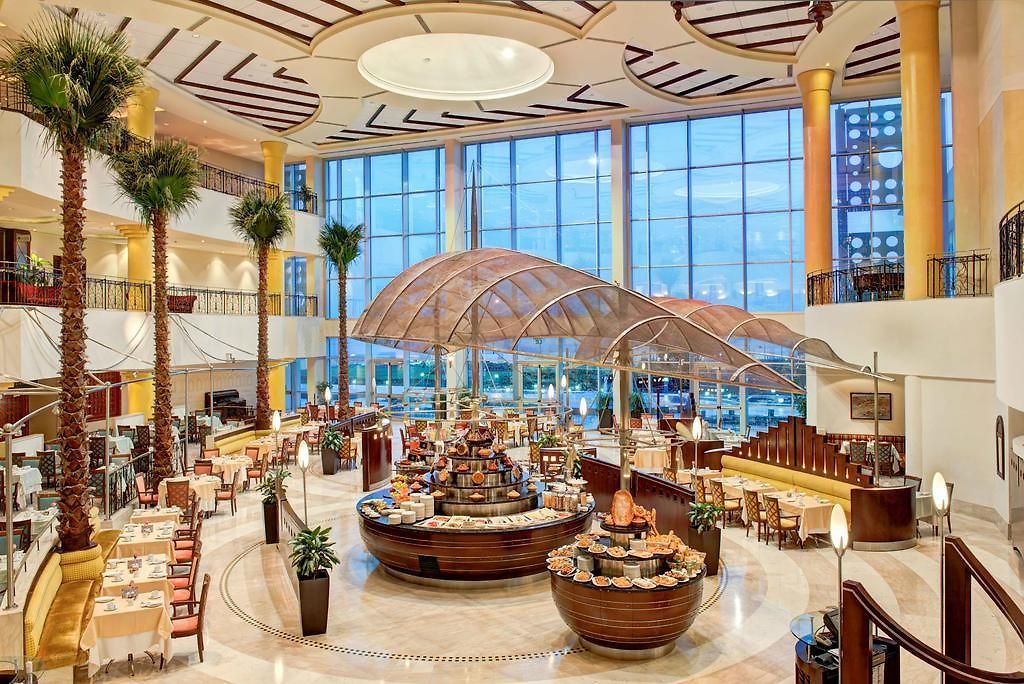
Some of these hotels offer tourism-related services such as interpretation, local transportation, and guided tours. Although resorts are limited, coastal areas like Janzour and some parts of the Green Mountain region have emerging tourist accommodations. In the desert, tourists often stay in traditional-style camps that offer basic comfort and a unique local experience.
6. What Are the Must-See Attractions in Libya?
- Leptis Magna: A remarkably preserved Roman city with amphitheaters, markets, and forums over 2,000 years old.
- Sabratha: Located on the western coast, known for its massive Roman theater and seaside ruins.
- Cyrene (Shahat): One of the oldest Greek cities outside Greece, surrounded by lush greenery.
- Ghadames: Often called the “Pearl of the Desert,” known for its extraordinary mud-brick architecture.
- Acacus Mountains: Featuring prehistoric rock art and stunning desert landscapes.
- Old City of Tripoli: With its narrow alleys, traditional souks, and Roman Arch of Marcus Aurelius.
7. What Traditions and Customs Should Be Respected?
Libyan society is conservative. Modest clothing is recommended, especially outside major urban areas. Women, in particular, should avoid revealing outfits out of respect for cultural norms.
Photography should always be done with permission, especially in markets and rural communities. During Ramadan, it is inappropriate to eat or drink in public during daylight hours.
Greetings usually begin with “As-salamu alaykum” (peace be upon you), and courtesy and hospitality are highly valued in Libyan culture.
8. Is English Commonly Spoken in Libya?
Arabic is the official language, specifically the Libyan dialect. In hotels, some staff may speak acceptable English, but outside tourist areas, communication can be challenging. Learning a few Arabic phrases or hiring a local guide can greatly enhance your experience.
9. Is it allowed to visit the desert?
Yes, but only through licensed tour companies or local guides. The Libyan desert is vast, with some areas uninhabited and lacking mobile signal, making solo travel dangerous.
Top desert destinations include:
- Akakus Mountains
- Tadrart
- Ghadames
- Ubari

Make sure to have a 4×4 vehicle, tent, water, and alternative communication tools like GPS devices or satellite phones.
10. What laws should tourists be aware of?
- Possession or consumption of alcohol is prohibited.
- Photography is not allowed in airports, military, or government facilities.
- Use of drones without a permit is forbidden.
- You must carry your passport at all times.
- Entry into some border areas requires prior authorization.
Violating these laws can result in fines or arrest, so it is best to verify any actions with official authorities or your tour operator.
11. What are the top tourist attractions to visit?
- Leptis Magna: A remarkably preserved Roman city with theatres, forums, and markets over 2,000 years old.
- Sabratha: On the western coast, featuring a large Roman theatre with a sea view.
- Cyrene (Shahat): One of the oldest Greek cities outside of Greece, located in a lush green region.
- Ghadames: Known as the “Pearl of the Desert,” with stunning traditional architecture.
- Akakus Mountains: Home to prehistoric rock art and breathtaking mountain trails.
- Old City of Tripoli: With its narrow alleys, traditional markets, and the Roman Arch of Marcus Aurelius.
See also: Top 10 Tourist Destinations in Libya
12. What are the must-try Libyan dishes?
Libyan cuisine is rich with Mediterranean and Arab flavors, focusing on meats, grains, vegetables, and oils. Recommended dishes include:
- Bazeen: A traditional dish made from barley flour, served with meat broth, egg, potato, and chili.
- Couscous: Served with meat or chicken and vegetables, with regional variations.
- Mbakbaka: A spicy Libyan pasta cooked in tomato sauce, common at family gatherings and camps.
- Shakshouka: Eggs cooked with tomato and pepper sauce, typically served for breakfast or dinner.
- Date pudding or Rouina: Traditional desserts rich in nutrients.
These dishes are available at local eateries or family homes in cities like Tripoli or Benghazi, with meal prices ranging from 10 to 40 LYD.
13. How do Libyans treat tourists?
Libyans are generally very hospitable, especially in rural and Bedouin areas where guests are considered a blessing and are welcomed warmly.
Tourists are treated with great respect, especially if they show appreciation for local customs. It’s recommended to start greetings with “As-salamu alaykum” and respond with a smile. Avoid discussing politics or criticizing local conditions openly.
In some areas, you might be invited to a home for food or tea—a gesture of honor. Libyan tea is traditionally served in three rounds, and it is polite to accept at least the first or second cup.
14. Is there cultural diversity across Libya?
Yes, Libya is culturally diverse. In the east (Cyrenaica), traditional tribal culture dominates. The west (Tripoli and Misrata) is more urban and cosmopolitan. The south (Fezzan) is home to Tuareg and Tebu communities with distinct desert cultures in dress, language, and customs.
This diversity is reflected in dialects, cuisine, celebrations, and even architecture. Understanding this helps visitors interact respectfully without assuming Libya is culturally uniform.
15. What are the health requirements for entering Libya?
Usually, no specific vaccinations are required. However, travelers are advised to have basic vaccinations such as Hepatitis A & B, typhoid, and tetanus, especially if planning to visit rural or desert areas.
During outbreaks like COVID-19, authorities may require PCR test results or international vaccination certificates. It’s best to check the latest updates via embassies or the Libyan Ministry of Health.
For emergencies, dial 193 or visit major public hospitals in the cities.
16. Can women travel to Libya alone?
Yes, women can travel to Libya, though it is advisable to be part of a tour group or accompanied by a local guide, especially when visiting remote areas.
Libyan society respects women, but it is conservative, so modest clothing is recommended, and women should avoid walking alone at night or in secluded places.
Foreign women are not required to wear a headscarf, but it’s polite to cover the head when visiting mosques or religious areas.
17. Are there restricted areas for tourists?
Yes, some areas are designated as military or security zones and require prior permission to enter—such as camps, military airports, and certain border zones.
Parts of the southern and southeastern regions are currently unsafe due to smuggling activity or weak security presence. It’s best to consult the tourism police or your embassy before traveling to remote regions.
Filming or entering government buildings, ministries, or police stations without official authorization is also prohibited.
18. Is family tourism possible in Libya?
Yes, family tourism is possible and welcomed, especially in coastal cities and historical areas. Some families visit Libya for cultural experiences or to reconnect with their roots.
Several hotels offer family rooms, along with furnished apartments. Family-friendly activities include visits to archaeological sites, trips to the Green Mountain, and camping in desert oases.
However, medical services for children are limited outside urban centers, so bringing necessary medications is advisable.
19. Are there organized tour packages?
Yes, some local companies now offer organized tours, including:
- Visits to Roman and Greek ruins
- Desert safaris to Akakus and Ghadames
- Cultural immersion and traditional food tasting
- Trips to the coast and Green Mountain
These packages usually cover transportation, accommodation, guides, and some meals. It’s recommended to book in advance and ensure the company is licensed by the General Authority for Tourism or the Ministry of Economy and Trade.
20. Which official entities can tourists contact in Libya?
Key entities that may be useful during a tourist visit include:
- General Authority for Tourism: Oversees tourism activities—news updates can be found on their Facebook page.
- Tourism Police: Emergency number 1515—available in several cities for tourist protection and support.
- Ministry of Interior – General Police: Emergency number 122
- Libyan Red Crescent: For emergency medical services—dial 193
- Libyan Ministry of Foreign Affairs: For consular support and visas, via their official website or foreign offices.
If you have any questions about tourism in Libya, contact us through our social media pages.