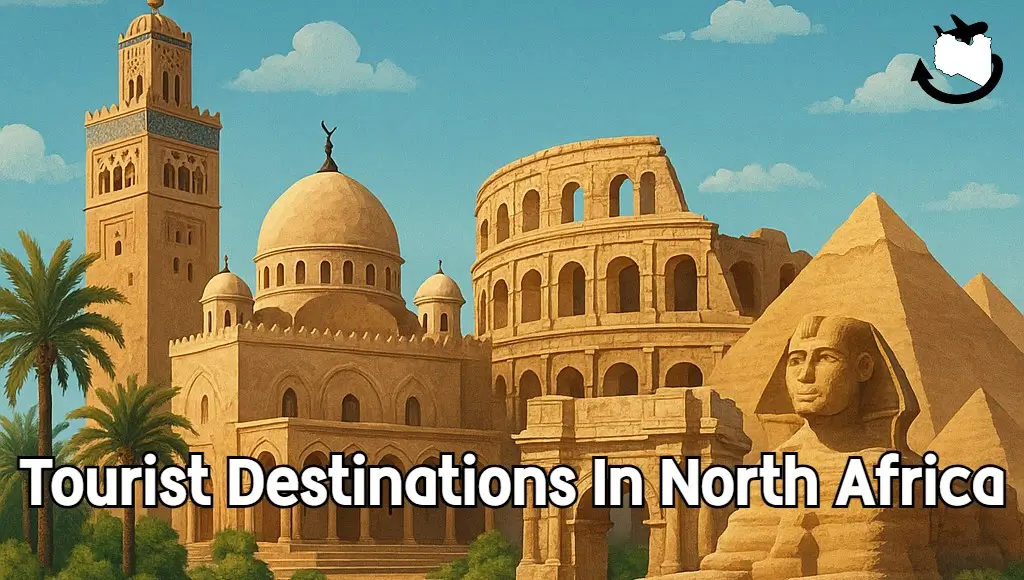
North Africa is a hidden treasure that blends the scent of history with the charm of nature, offering visitors a unique and unmatched tourism experience. This region, which includes ancient countries such as Egypt, Morocco, Libya, Algeria, and Tunisia, forms a mosaic of ancient civilizations, diverse landscapes, and rich cultures waiting to be discovered. In this article, we will delve into the details of these fascinating destinations, with a particular focus on the promising tourism potential of Libya, the hidden gem of North Africa.
Egypt: An Icon of Global Tourism
Egypt sits atop the tourism throne of North Africa and the entire African continent, thanks to its millennia-long history and world-renowned archaeological landmarks. It is an unmatched destination for lovers of history, culture, and nature alike.
The Pyramids and the Sphinx in Giza
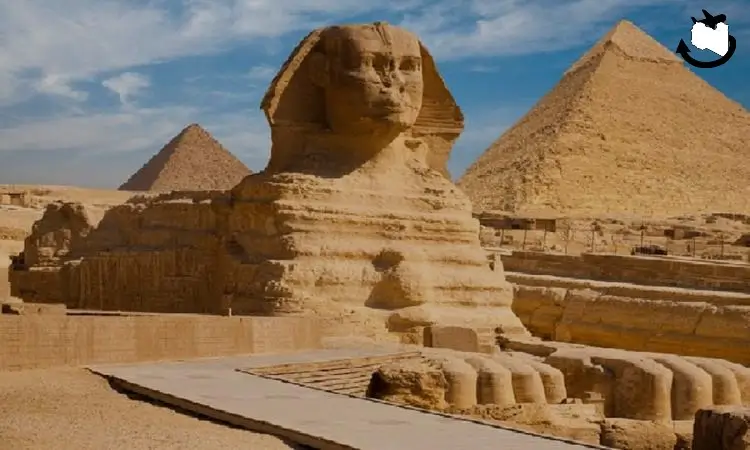
The Pyramids of Giza and the Sphinx are among the most famous wonders of the world, standing tall as symbols of the ancient Pharaonic civilization. Visiting these landmarks is a unique spiritual and historical experience, taking visitors on a journey through thousands of years of human creativity. A visit to Cairo is not complete without exploring the Grand Egyptian Museum, which houses priceless treasures, including the golden mask of Tutankhamun.
Luxor and Aswan: The Heart of Ancient Egypt
A trip to Luxor and Aswan is like stepping into the heart of ancient Egypt. Here, massive temples such as Karnak and Luxor Temple rise majestically, along with the Valley of the Kings, which contains the mysterious tombs of the pharaohs. A peaceful Nile cruise between Luxor and Aswan is an unmissable experience, allowing visitors to enjoy the breathtaking beauty of the Nile and the surrounding ancient charm.
Sharm El-Sheikh and Hurghada
For relaxation and water sports enthusiasts, Red Sea resorts like Sharm El-Sheikh and Hurghada offer white sandy beaches and crystal-clear waters teeming with colorful coral reefs and rich marine life. These destinations are a paradise for divers and water activity lovers, providing the perfect escape for leisure and rejuvenation.
Morocco
Morocco is distinguished by its unique cultural blend, combining Arab, African, and European influences. This fusion is reflected in its vibrant cities and captivating tourist attractions. It is a destination that draws visitors with its natural beauty, imperial cities, and rich history.
Marrakesh: The Vibrant Red City
Marrakesh, known as the Red City, is the heart of Moroccan enchantment. It is famous for the lively Jemaa el-Fnaa Square, bustling souks filled with traditional goods, and lush gardens such as Majorelle Garden. Marrakesh is a unique sensory experience, where sounds, scents, and colors blend to create an unforgettable atmosphere.
Fes
Fes is the spiritual capital of the kingdom, renowned for its old medina, a UNESCO World Heritage Site. This city retains its authentic historical character and is home to the oldest university in the world. A visit to Fes is a journey back in time into a world of stunning Islamic architecture and intricate alleyways.
Essaouira and Chefchaouen: Coastal Charm and Blue Serenity
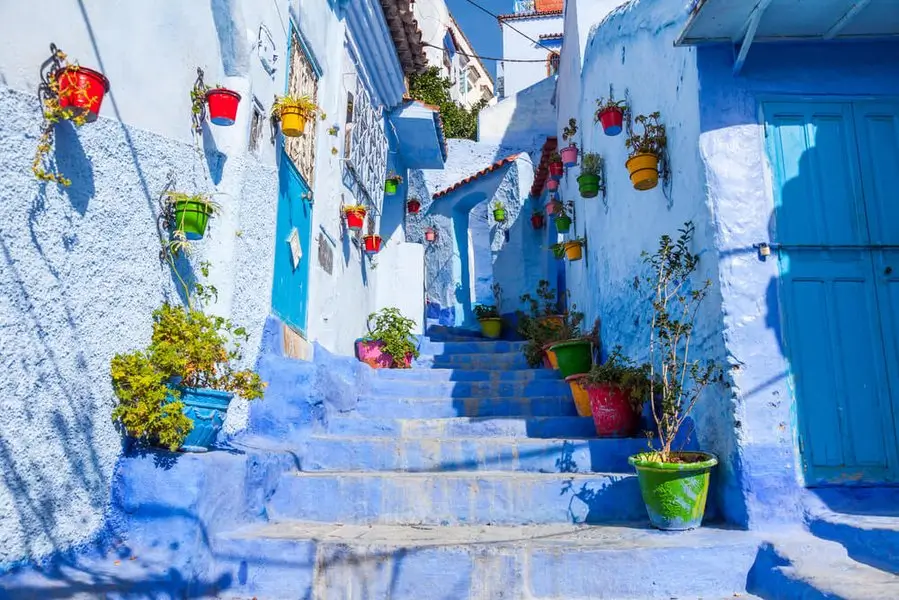
Essaouira is a coastal city known for its beautiful beaches and calm, artistic atmosphere. Chefchaouen, the enchanting Blue City with its sky-blue painted walls, offers a peaceful and relaxing ambiance, making it a visual haven for the soul.
Algeria
Algeria, the largest country in North Africa by area, offers a rich tourism experience for travelers seeking adventure, history, and diverse nature—from the Mediterranean coastline to the vast Sahara Desert.
Algiers capital: A Blend of History and Modernity
The capital, Algiers, features a unique architectural heritage that combines French and Arab styles, along with its stunning bay. The old Casbah and traditional markets reflect the city’s deep-rooted history. Algiers is an ideal destination for adventurous travelers looking to explore rich cultures and exceptional historical landmarks.
Constantine and Timimoun
Constantine, the city of suspended bridges, is one of the oldest continuously inhabited cities in the world. It is known for its dramatic landscapes and ancient heritage. Timimoun, the “Red Oasis” in the heart of the desert, offers a unique opportunity to experience Saharan culture and tranquil desert beauty.
Djemila and Tipasa: Roman Heritage Treasures
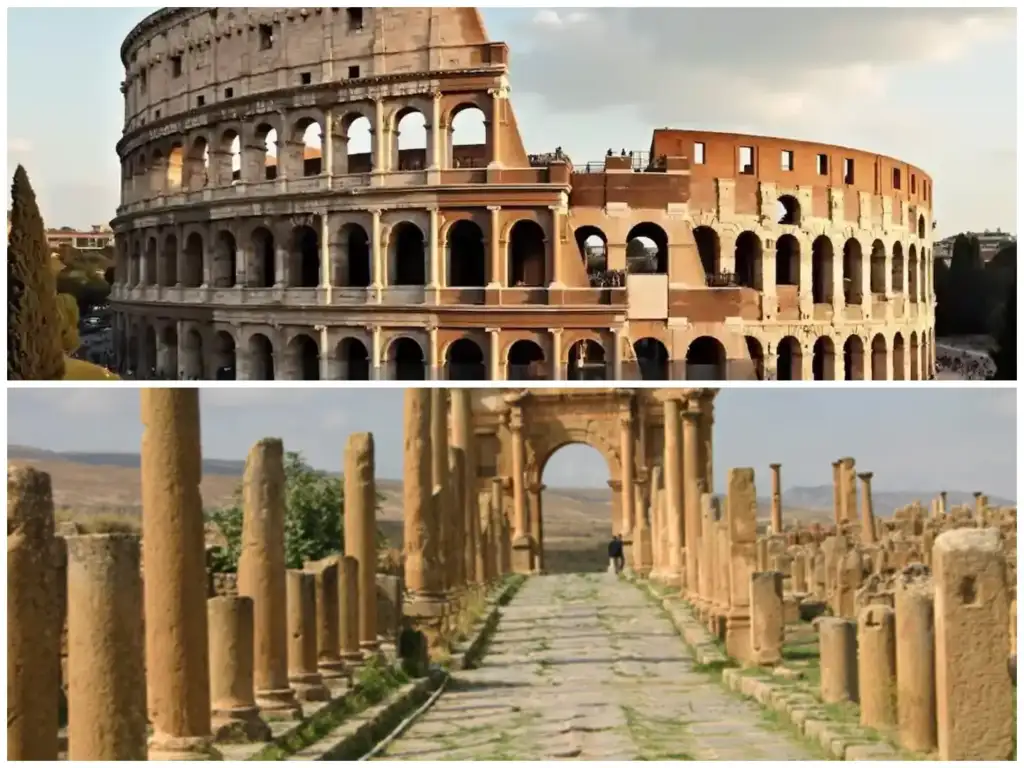
Algeria is home to outstanding Roman archaeological sites like Djemila and Tipasa, both listed as UNESCO World Heritage Sites. These locations bear witness to an important historical era and offer a glimpse into the grandeur of the Roman Empire in North Africa.
Tunisia
Tunisia is a country rich in history, art, and diverse tourist attractions. Known for its beautiful beaches, historic cities, and enchanting oases, it has become a favorite destination for many travelers..
Carthage
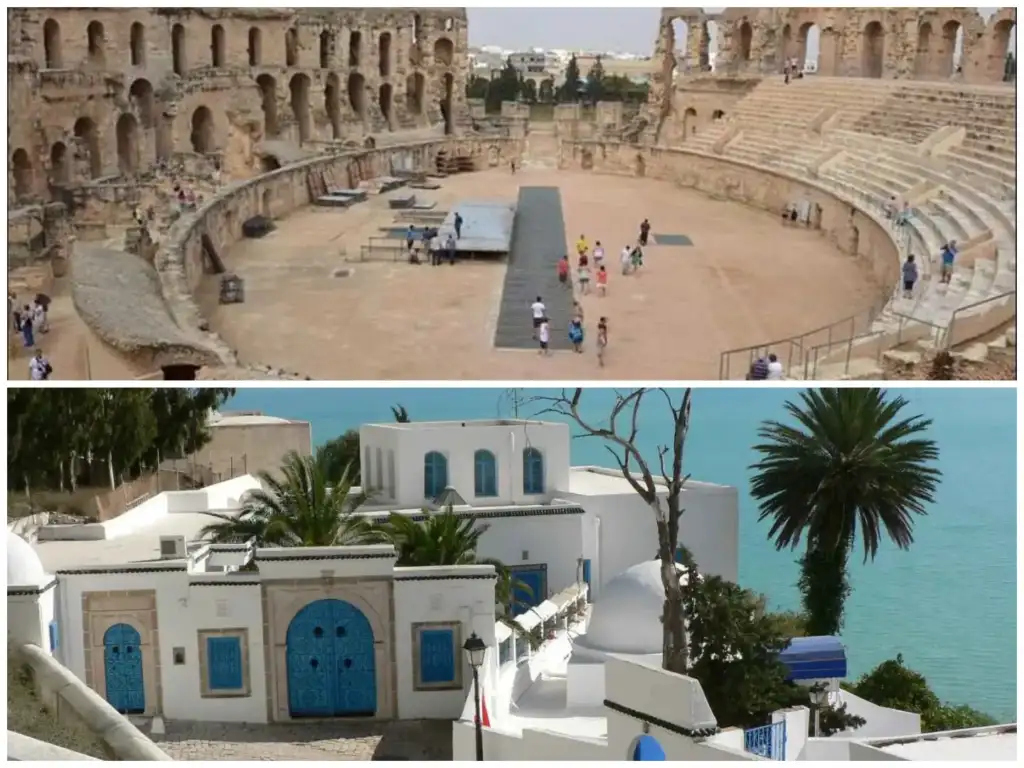
The ancient city of Carthage is filled with Roman and Phoenician ruins that tell stories of powerful civilizations that once thrived here. Visiting Carthage is a chance to dive deep into history and discover the remains of a city that was once a major force in the Mediterranean.
Tunis and Sidi Bou Said
The old medina of Tunis is the vibrant heart of the capital, rich in traditional markets and historic mosques, and is also a UNESCO World Heritage Site. Sidi Bou Said, a charming white-and-blue village overlooking the Mediterranean, is famed for its unique architecture and serene, romantic atmosphere.
Djerba Island
Djerba Island is one of the most beautiful islands in North Africa, attracting millions of tourists annually with its golden sandy beaches and crystal-clear waters. It is known as an ideal destination for honeymooners and family vacations at affordable prices.
Libya
Tourism in Libya remains one of the region’s best-kept secrets. Despite facing challenges, Libya holds exceptional tourism potential that has not yet been fully promoted in the media. It promises unique, enriching experiences for lovers of history, adventure, and unspoiled nature.
Remarkable Roman and Greek Archaeological Sites
Libya is home to some of the most stunning Roman archaeological sites outside of Italy, along with ancient Greek cities. These sites are living testimony to the grandeur of the empires that once ruled the region.
Leptis Magna: A Roman Marvel
Leptis Magna is an ancient Roman city and a UNESCO World Heritage Site. It features a remarkably well-preserved Roman theater, grand plazas, and temples. It offers visitors a rare chance to explore the architectural brilliance and daily life of ancient Rome.
see also: Exploring Libya’s UNESCO World Heritage Landmarks
Sabratha: Ruins by the Sea
Sabratha is another archaeological site that tells the story of Roman civilization, set along a beautiful stretch of Mediterranean coastline. The combination of historical ruins and natural beauty makes it an alluring destination for visitors.
Cyrene (Shahat)
Cyrene, known today as Shahat, was once a prominent Greek and Roman city. It served as a key cultural center and still houses remains of temples, theaters, and baths that reflect the grandeur of classical civilization in Libya.
The Libyan Desert
Part of the vast Sahara, the Libyan Desert is an ideal destination for safari lovers and adventure seekers. It offers breathtaking landscapes and unique rock formations.
Wadi al-Shati (Wadi al-Hayah)
Wadi al-Shati, also known as the “Valley of Life,” is a desert area characterized by its dramatic rock formations and stunning desert vistas—perfect for exploration and desert activities.
Gabroun Lake: An Oasis in the Heart of the Desert
Gabroun Lake is a high-salinity lake located in southwestern Libya. It offers a rare natural spectacle, ideal for photography enthusiasts and desert adventurers. It’s a true oasis nestled deep within the Sahara.
Libya’s Mediterranean Coast
Stretching 1,935 kilometers along the Mediterranean Sea, Libya’s coastline is one of the longest in Africa. It features stunning natural beauty and pristine beaches waiting to be discovered.
Tripoli
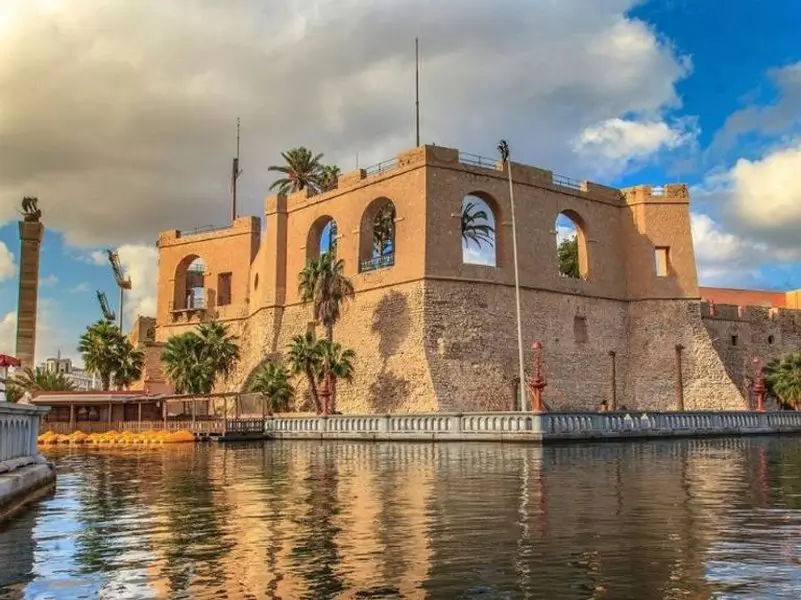
Tripoli, the capital of Libya, boasts a beautiful coastline, a historic old town, and a national museum rich with archaeological treasures. It is a city where modern life and ancient heritage coexist, offering a deeply cultural experience.
The Green Mountain: A Natural Paradise in Eastern Libya
The Green Mountain region in eastern Libya is known for its diverse terrain, forests, and lush landscapes—resembling a green paradise. It’s a perfect retreat for nature lovers seeking tranquility and scenic beauty.
see also: 10 pictures of the most beautiful places in Libya
Libyan Cultural Heritage
Libya possesses a rich and diverse Islamic heritage that reflects its long history and deep-rooted culture. From ancient mosques to traditional architectural arts, the country offers a glimpse into the authenticity of Libyan identity.
North Africa: A Rising Star in Global Tourism
North Africa is not only an emerging tourism destination but also a region with vast investment potential in the tourism sector. Countries in this region are actively working to develop their tourism infrastructure, improve services, and simplify procedures to attract more tourists and investors.
The Economic Impact of Tourism
Tourism plays a significant role in boosting local economies across North Africa by creating jobs, increasing national income, and supporting traditional crafts and industries. Every tourist contributes to the economy by spending on hotels, restaurants, shops, and transportation services—stimulating economic growth and benefiting local communities.